

Why Is My East Lansing Lawn Patchy After Spring Cleanup? Common Causes
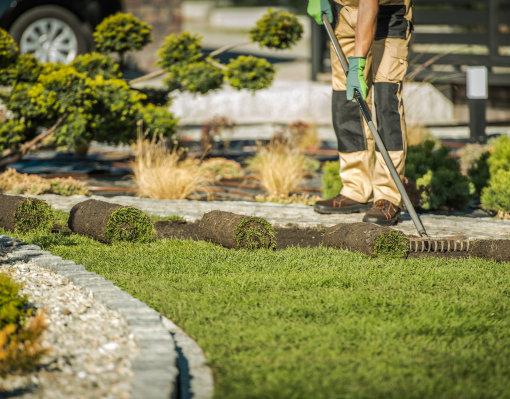
Short Answer: Patchy spring lawns in the East Lansing area usually trace back to one of six causes: snow mold damage that did not recover, vole damage from winter tunneling, salt damage along driveways and walkways, winter desiccation in unprotected areas, snow plow damage from heavy pile-up zones, and existing thin spots that did not survive winter stress. Each looks slightly different and each has its own fix. Most of these are very recoverable when caught early in the spring. Here is how to identify which ones are happening on your lawn and what to do about each.
If you walked your East Lansing lawn after the snow finally melted and saw patchy thin areas where the grass should be lush, you are not alone. Mid-Michigan lawns face a brutal winter every year, and the spring assessment often shows damage that was not visible in fall. The good news is that most spring damage is fixable. Identifying which type you have lets you respond appropriately rather than just throwing seed everywhere.
Across East Lansing, Lansing, Okemos, Haslett, and surrounding areas, here are the six causes we see most often.
1. Snow Mold
Snow mold is a fungal disease that develops under prolonged snow cover, especially when the lawn went into winter with too much top growth or excessive thatch. Visual signs:
Circular patches of matted, gray-pink dead grass.
A web-like or crusty appearance on the affected blades.
Patches typically 4 to 24 inches across.
The good news is most snow mold patches recover on their own once exposed to sunlight. Light raking to break up the matted thatch and improve air circulation accelerates recovery. Severe cases may need overseeding to fill in patches that do not bounce back within a few weeks.
Prevention for next winter includes mowing the lawn at the proper height in late fall (around 2.5 inches for most cool-season grasses) and avoiding excessive late-season nitrogen that produces lush growth heading into winter.
2. Vole Damage
Voles are small rodents that tunnel through grass under the snow line during winter. The damage looks like winding shallow trails of dead grass running through the lawn, often appearing as a network of small paths.
Voles eat grass crowns and leave behind dead foliage that becomes visible once snow melts. The damage looks alarming but is almost always cosmetic. Most surrounding turf fills back in once warm weather arrives.
Light raking lifts the dead material and lets the surrounding grass spread. For severe damage, overseeding the affected paths produces faster recovery.
3. Salt Damage
Road salt and sidewalk de-icer accumulate in soil along driveways, walkways, and street edges through the winter. Visual signs:
Brown or dead grass running parallel to driveways and walkways, typically extending 2 to 4 feet from the hard surface.
The damage is often most severe at low points where snow piles tended to melt and refreeze.
Adjacent grass that struggles to green up.
Treatment requires flushing salt from the soil. Several inches of water applied over a week or two leaches salt out of the root zone. Gypsum applications can help displace sodium from clay soils. Once salt levels are back in range, overseeding the dead areas finishes the recovery.
Prevention going forward includes redirecting plow piles away from lawn edges where possible and using less aggressive de-icing products.
4. Winter Desiccation
Winter desiccation happens when grass dehydrates from cold dry winds without the protective layer of snow that insulates against moisture loss. Mid-Michigan winters with little snow cover and high winds produce the most desiccation damage.
The pattern is typically widespread thinning across exposed areas rather than discrete patches. The grass blades look bleached and dry, and the lawn feels thin underfoot.
Recovery is usually straightforward. Spring fertilization at appropriate rates and consistent watering through May and June rebuilds density. Severely thin areas benefit from overseeding to accelerate recovery.
5. Snow Plow Damage
Snow plows damage lawn edges and corners in a few specific ways:
Edge damage where the plow blade scraped over lawn at driveway entrances.
Pile damage where heavy snow accumulations sat on the lawn for weeks, suffocating the grass underneath.
Compaction damage from repeated plowing routes across lawn areas.
Edge damage may need re-establishment with seed or sod plugs. Pile damage usually recovers with cleanup and seeding. Compaction damage benefits from spring aeration and seeding.
Working with your snow service to mark plowing routes and avoid sensitive lawn areas reduces damage in future winters.
6. Pre-Existing Thin Spots
Some “spring damage” is actually fall damage that was not addressed before winter. Thin spots that existed in October typically come out of winter even thinner than they entered it. The visible problem looks new but the underlying cause has been there.
The diagnostic clue is whether the same spots had problems last fall. If yes, the issue is a property condition (compaction, shade, soil chemistry, drainage) rather than just winter damage.
Long-term recovery requires addressing the underlying cause: aeration for compaction, selective tree thinning for shade, soil amendment for chemistry, drainage work for wet areas. Then overseeding fills in the thin areas with new growth that has a chance to thrive.
How to Tell Them Apart
Look at the pattern. Snow mold is circular with matted grass. Vole damage is winding paths. Salt damage runs parallel to hard surfaces. Desiccation is widespread thinning. Plow damage is at edges and pile-up zones. Pre-existing thin spots match where last fall’s issues were.
Most properties have two or three of these in different areas. The right response is targeted to each.
Realistic Recovery Timeline
Snow mold recovers in 3 to 6 weeks with light raking and warm weather.
Vole damage recovers in 3 to 5 weeks as surrounding grass fills in.
Salt damage requires 2 to 4 weeks of flushing plus overseeding for full recovery.
Desiccation recovers in 4 to 8 weeks with proper spring care.
Plow damage and severe thin spots usually need 6 to 12 weeks plus overseeding.
What to Do Next
If your East Lansing, Lansing, Okemos, or Haslett lawn is patchy this spring and you want help diagnosing and recovering, we are glad to come walk it. We will identify each cause separately and put together a recovery plan that fits the actual damage. Reach out anytime.