Grub Worms in Mid-Michigan Lawns: Signs, Damage, and Prevention Timing
Keast Lawn & Snow • May 2026 • Mid-Michigan
Grub worms are beetle larvae that feed on grass roots from below the soil. The classic signs in Mid-Michigan lawns are spongy turf that lifts like a loose carpet, brown patches that do not respond to watering, and digging by skunks, raccoons, or birds going after the grubs. The most effective treatment timing in Michigan is mid-July through mid-August when newly hatched grubs are small and feeding actively just below the surface.
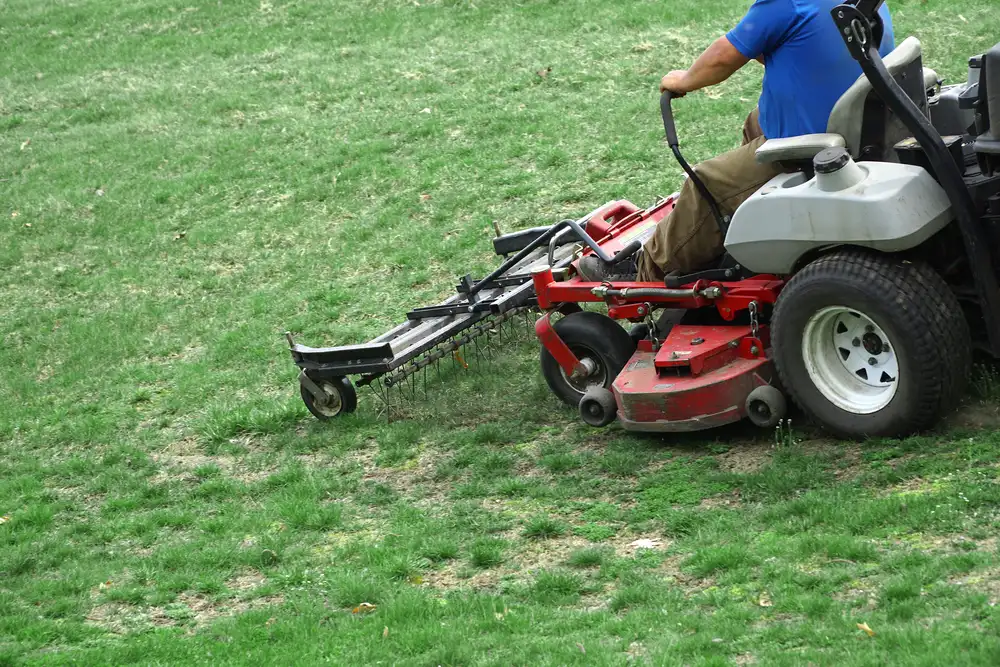
Grub worm damage in Mid-Michigan often shows up unexpectedly in late summer or early fall. By the time the visible signs appear, the grubs have been feeding for weeks, and the response window is shrinking. Knowing how to spot grub damage and when to treat saves a lot of lawn that would otherwise be lost. Across East Lansing, Lansing, Okemos, and surrounding areas, here is what to watch for and how to respond.
What Grubs Are
Grub worms are the larval stage of several beetle species. The most common in Michigan are Japanese beetle larvae and European chafer larvae, with some May beetle and June beetle damage in certain years. Adult beetles emerge in early summer, mate, and lay eggs in moist soil. The eggs hatch within 2 to 3 weeks and the larvae immediately begin feeding on grass roots.
Feeding continues from late summer through fall, then the grubs move deeper into the soil to overwinter. They come back up briefly in spring before pupating into adult beetles in late spring, completing the cycle. Grubs are most vulnerable when they are young, small, and feeding near the surface — that is mid-July through mid-August in our area.
The Five Signs of Grub Damage
Spongy Turf
The turf feels soft and spongy underfoot. The roots have been chewed off, so the grass has no anchor in the soil.
Turf Lifts Easily
Sections lift up when pulled. Severe grub damage produces grass that rolls back like a loose rug.
Brown Patches
Brown patches that do not respond to watering. The grass is dead because the roots are gone, not because the soil is dry.
Animal Digging
Skunks, raccoons, possums, and birds dig up grubs as a food source. Heavy digging is a near-certain grub indicator.
Adult Beetle Activity
Clouds of Japanese beetles or chafers around the property in June suggest grubs were present to begin with.
Confirming Grubs
The diagnostic is simple. Cut a 6-inch square of turf about 3 inches deep at the edge of an affected area. Look at the soil and exposed root zone. Grubs are white, C-shaped, with brown heads and visible legs. They are unmistakable.
The treatment threshold for cool-season grasses (Kentucky bluegrass, tall fescue, perennial ryegrass) is 5 to 6 grubs per square foot. Above that count, treatment is warranted. Below, the population is unlikely to cause visible damage.
Treatment Timing for Michigan
Best Window: Mid-July to Mid-August
Eggs have hatched and young grubs are feeding actively just below the surface, where systemic insecticides can reach them. This is the most effective treatment window.
Spring Treatments: Less Effective
Mature overwintered grubs are larger, deeper, and about to pupate. Spring applications can reduce damage but rarely eliminate the population.
Preventative Late-Spring Application
For lawns with a grub history, a long-residual product like chlorantraniliprole applied in late spring can eliminate the population before damage starts.
Products That Work
Preventative
Chlorantraniliprole applied in late spring or early summer provides season-long control by killing young grubs as they hatch. This is the cleanest approach for lawns with known grub pressure.
Curative
Imidacloprid, clothianidin, or trichlorfon work as quick-knockdown options when active feeding is confirmed. Best applied in late July through August. Consumer-grade products often have weaker concentrations than professional formulations.
What Does Not Work Reliably
Beneficial Nematodes
Inconsistent results in real-world conditions. Effectiveness depends on soil moisture, temperature, and specific nematode species in ways that are hard to control.
Milky Spore Disease
Works on Japanese beetle grubs but not other species common in Michigan. Limited general-use value here.
Soapy Water & Beetle Traps
Soapy water drives grubs up temporarily but does not kill them in useful numbers. Beetle traps sometimes attract more beetles than they catch, increasing grub pressure.
Recovery After Grub Damage
Grub-damaged lawn rarely recovers on its own. The roots are gone, so the dead grass stays dead even after the grubs are eliminated.
Overseeding
Overseed affected areas in early fall — the best timing for cool-season grass establishment in Mid-Michigan.
Sod Replacement
For severely damaged areas where you want immediate visual recovery, sod replacement is the fastest option.
Natural Spread
Allow surrounding turf to spread into damaged zones. Slow but eventually effective on fine fescues and Kentucky bluegrass which spread by rhizomes.
Combining treatment with overseeding in early September gives the cleanest result. The grubs are gone and the new seed has ideal establishment conditions.
See Signs of Grub Damage in Your Lawn?
If you are seeing signs of grub damage in your East Lansing, Lansing, or Okemos lawn, we are glad to come confirm the diagnosis and recommend treatment. We will dig sample plugs to verify population and time the treatment correctly. If your lawn had grub damage this year or last, preventative treatment in late spring of next year is the most cost-effective approach. Reach out anytime.