How to Fix Winter Salt Damage on Your Michigan Lawn
Keast Lawn & Snow • April 2026 • East Lansing, MI
Winter salt damage shows up as brown, dead grass along sidewalks, driveways, and roads. The fix involves flushing the soil with water, applying gypsum, raking dead material, and overseeding in September. Here is the full repair guide.
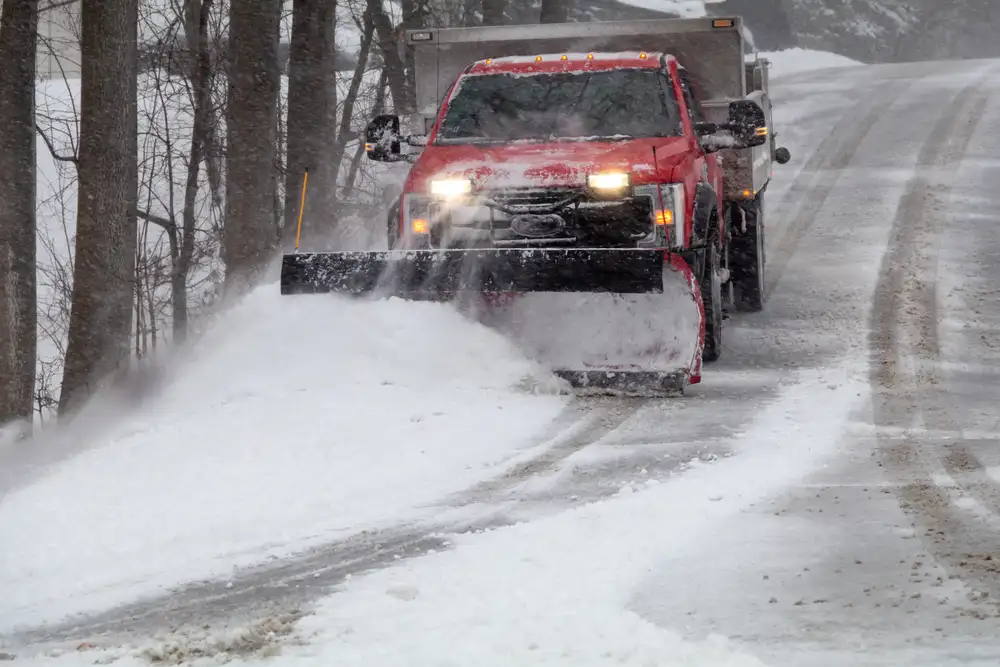
If you are a homeowner in East Lansing, Lansing, or anywhere in mid-Michigan, chances are you are looking at brown strips along your driveway, dead patches near the sidewalk, or thin grass along the street where the plow throws salt and slush all winter. Salt damage is one of the most common lawn problems in Michigan, and after a heavy winter, it can be significant. The good news is that salt damage is repairable. The bad news is that it does not fix itself overnight.
What Salt Actually Does to Your Lawn
It Dehydrates Grass Plants
Salt draws moisture out of plant cells through osmosis, essentially drying out the grass from the inside even when the soil is wet. This is why salt-damaged grass turns brown and crispy rather than just going dormant.
It Degrades Soil Structure
Sodium displaces calcium and magnesium in the soil, causing clay particles to compact together. The result is dense, poorly drained soil hostile to root growth. In the Lansing area, our clay-heavy soils make this problem even worse.
How to Assess the Damage
Wait until your surrounding lawn has fully greened up — typically mid to late May in the Lansing area — before making a final assessment. If the affected areas remain brown and brittle while the rest of the lawn is green, the damage was severe enough to kill the grass and you will need to reseed or sod. If you see some green growth returning but the area looks thin and patchy, the grass survived but the soil likely still has elevated salt levels that need to be addressed.
Narrow Strips Along Sidewalks
Points to hand-applied ice melt from foot traffic areas.
Wide Swaths Along the Road
Suggests plow splash from municipal road salting operations.
Concentrated Dead Zones
Near the end of the driveway often comes from salt brine runoff pooling in a low spot.
The 4-Step Salt Damage Repair Process
Step 1: Flush the Soil With Water
Apply about 1 inch of water to affected areas over 2 to 3 hours, then repeat 2 to 3 times over the following week. Slow, deep watering pushes dissolved salt down through the soil and away from the root zone. Aerate first if the soil is severely compacted.
Step 2: Apply Gypsum
Apply gypsum (calcium sulfate) at 40 to 50 pounds per 1,000 square feet. It replaces sodium ions with calcium, improving soil structure and drainage. Work it in with a light raking and water it in. Inexpensive and available at most garden centers.
Step 3: Rake and Prepare the Surface
Lightly rake dead grass from affected areas to open the surface to sunlight and air. For completely dead areas, scratch up crusted soil with a garden rake or run a core aerator over it to improve seed-to-soil contact for future seeding.
Step 4: Overseed in Fall
The best time to reseed in Michigan is September. Fall seeding gives cool-season grasses warm soil temperatures for germination, cooler air temperatures that reduce seedling stress, and a full fall and spring to establish before summer heat. Spring seeding is possible but comes with weed competition challenges.
Preventing Salt Damage Next Winter
Use Better Ice Melt Products
Calcium chloride or magnesium chloride products melt ice at lower temperatures and are less damaging to grass and soil than rock salt. You use less product, which often makes the total cost comparable.
Apply Only Where Needed
Sweep excess salt back onto paved surfaces after ice melts. This reduces the amount that reaches your lawn and concentrates in soil along edges.
Annual Spring Maintenance
For road salt damage you cannot control, annual spring flushing and gypsum application to vulnerable areas becomes part of your regular maintenance routine to protect soil health over time.
Get Your Lansing-Area Lawn Back in Shape
Keast Lawn & Snow has seen and repaired salt damage on hundreds of properties across mid-Michigan. We offer spring cleanup, aeration, overseeding, and full maintenance programs designed to address the specific challenges of Michigan lawns. We serve East Lansing, Lansing, Okemos, Holt, Dewitt, Grand Ledge, Charlotte, Potterville, and Dimondale.