Fall Cleanups
The Fall Cleanup Checklist: What to Finish Before the First Snow
Keast Lawn & Snow • October 2026 • East Lansing, MI • 7 min read
Short Answer: Mid Michigan gives a short window between the end of leaf drop and lasting snow, and several tasks genuinely have to happen inside it. Leaves off the lawn, a final mow at around two and a half inches, beds cleared of heavy leaf mat, gutters cleared, irrigation blown out and hoses disconnected, and outdoor water shut off. Everything else can wait for spring. The hard deadline is the ground freezing, because whatever is on the lawn at that point stays there until April.
Fall cleanup lists tend to be long, generic, and written for climates with forgiving winters. Mid Michigan does not have one of those, and the practical consequence is that a handful of tasks genuinely matter here while a lot of commonly listed ones do not.
This is the short version, organized by when things should happen rather than by category, with an honest note about which items can be skipped without consequence.
The Deadline You Are Working Against
Everything on this list is governed by one event, which is the ground freezing and snow arriving to stay.
After that point, nothing on the lawn can be moved until spring. Leaves left there spend the winter compressed under snow, which creates the conditions snow mold needs and gives voles cover to work in. Grass left tall mats down and contributes to the same problem.
The frustrating part is that the date moves. Some years mid Michigan gives you a workable stretch well into November. Other years the window closes abruptly. Planning as though you have until Thanksgiving is how people end up with leaves wintering on the lawn.
So the operating principle is to work ahead of the forecast rather than to a date on the calendar. When a stretch of decent weather appears in late October or early November, that is the time to finish rather than to wait for the last oak leaves.
Leaves Off the Lawn
This is the item with the most direct consequence and it goes first for that reason.
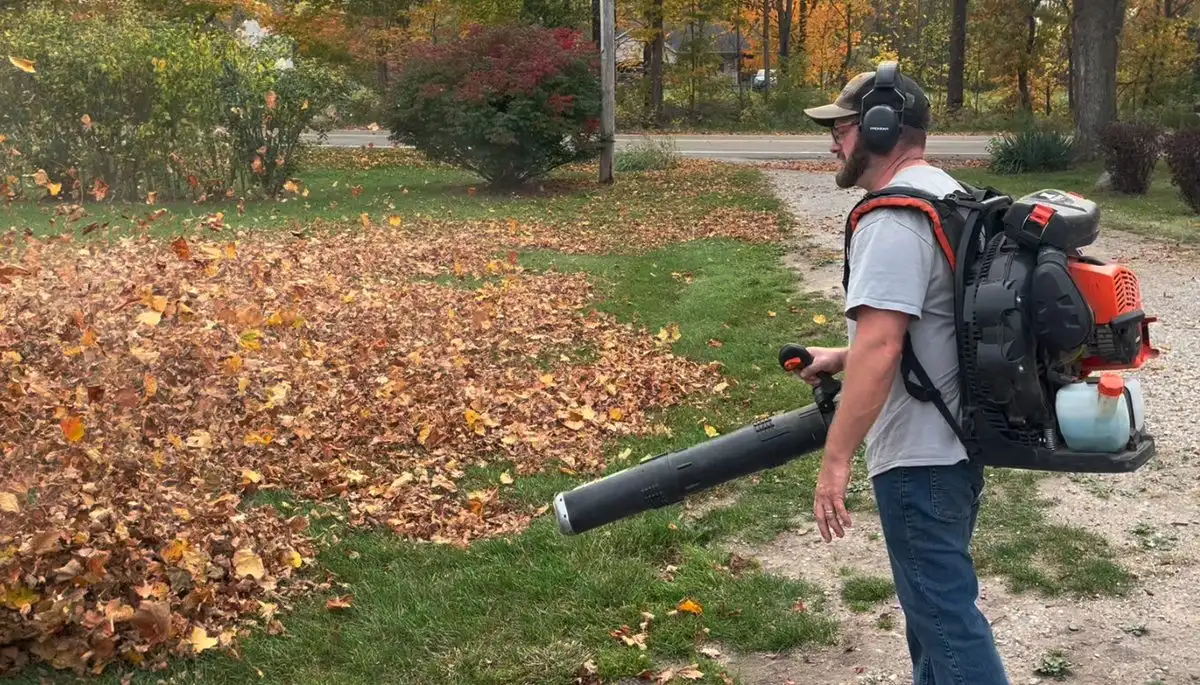
The standard is visibility. If you can see grass through the leaves, the lawn is getting light and air. If you cannot, it is being smothered, and it will stay smothered under snow for months.
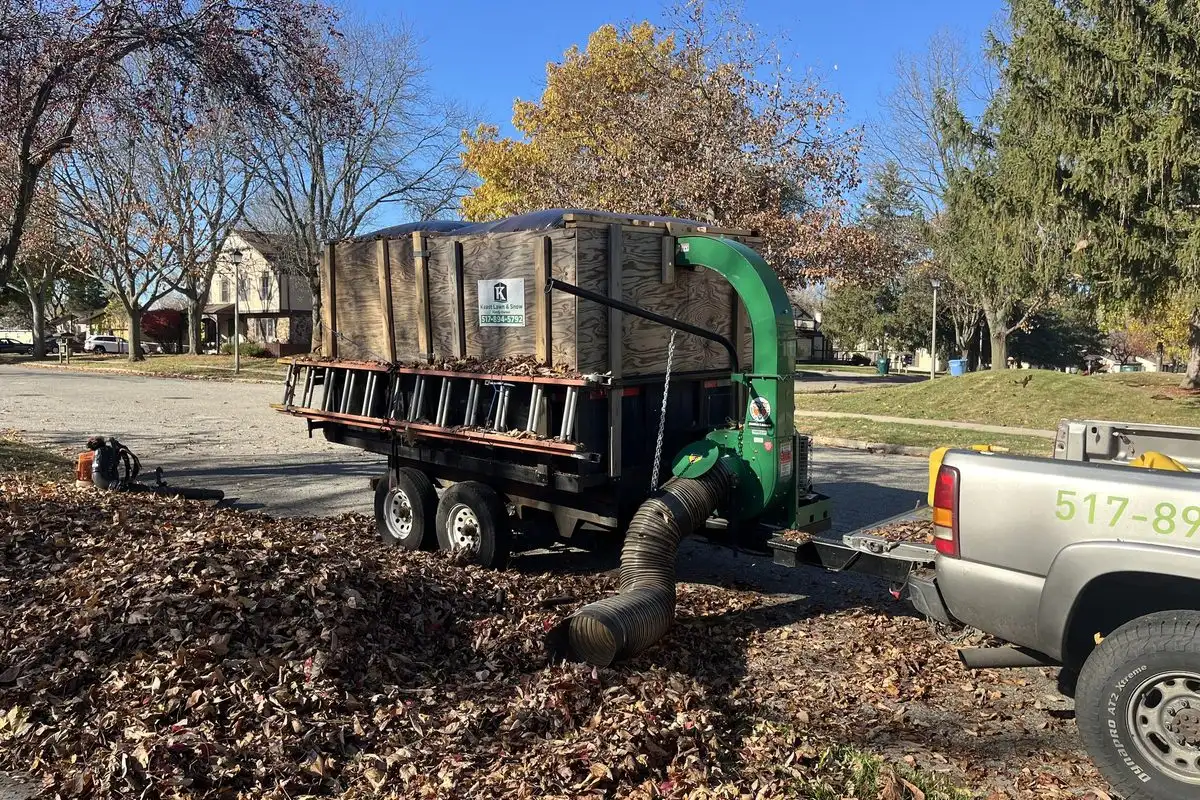
Plan on more than one pass if your property has a mix of species. Maples and ash come down earlier, oaks hold on and frequently drop after everything else has finished. A cleanup timed to the maples leaves you with an oak problem three weeks later.
The final pass is the one that matters most. Earlier cleanups are housekeeping. The last one determines what the lawn spends winter under.
The Final Mow
Height matters here and both extremes cause problems, which is why this gets more attention in Michigan than in milder places.
Grass left at full summer height going into winter mats down under snow. That matted canopy holds moisture against the crowns and is a direct contributor to snow mold, the same mechanism as a leaf layer.
Scalping it is equally wrong. Cutting cool season grass very short removes leaf tissue the plant needs and exposes crowns to cold and desiccation.
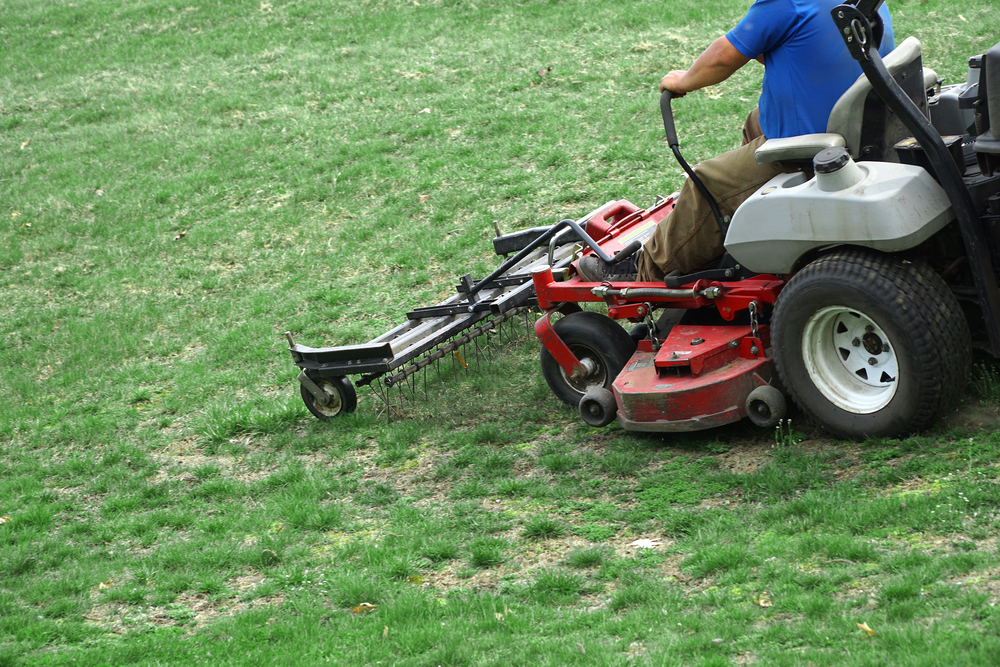
Around two and a half inches is a reasonable target for the last cut of the year, which for most people means dropping the deck a notch from summer height rather than making a dramatic change. Get it done while the grass is still growing enough to recover from the cut.
Keep mowing until growth genuinely stops rather than quitting on a date. Cool season grass keeps growing later into fall than people expect, and a lawn that gets its last cut in early October often needs another one.
Beds, Perennials, and Foundation Plantings
Heavy leaf accumulation in beds causes the same problems it does on turf, with the added issue of giving voles cover right against woody plants where their chewing does real damage.
Clear the heavy mats. A light layer over a perennial bed is genuinely useful as winter insulation, so this is about removing the packed wet accumulation rather than getting beds spotless.
Perennials are more flexible than most lists suggest. Cutting back diseased or mushy material is worthwhile. Leaving healthy seed heads and stems standing provides winter interest and habitat for beneficial insects and birds, and many gardeners deliberately leave them. Either approach is defensible.
Keep mulch and leaves pulled back from the base of shrubs and tree trunks rather than piled against them. Material packed against bark holds moisture and invites both rodent damage and disease.
Water Is the Expensive One to Get Wrong
Everything above affects how the lawn looks in April. This item affects whether you are paying a plumber.
Irrigation systems need to be blown out before hard freeze. Water left in lines and heads expands when it freezes and cracks components, and the repair is considerably more expensive than the blowout. This is a job for compressed air and it is worth having done properly rather than attempted with a shop compressor.
Disconnect and drain garden hoses. A hose left connected keeps water in the spigot and in the pipe behind it, and a frozen section inside the wall is a genuinely bad outcome.
Shut off and drain outdoor spigots where the valve allows it. Frost free hydrants still need the hose off to drain correctly, which is the part people miss.
These tasks have the earliest real deadline on the list, since the first hard freeze can arrive well before the last leaves come down.
Gutters and Drainage
Gutters full of leaves back up, and in a climate with repeated freeze and thaw cycles that contributes to ice dams along the roof edge.
The timing question is real. Clearing gutters before the oaks finish dropping means doing it twice, and waiting until everything is down risks running out of workable weather. On properties with heavy oak cover, doing it twice is usually the right call.
While you are at it, check that downspout extensions are still directing water away from the foundation and that they are not crushed or disconnected. Snowmelt has to go somewhere, and a downspout discharging at the foundation in March is a problem.
Clear leaves off any drain grates or low areas where water collects, since a blocked drain under snow is a blocked drain until spring.
What You Can Skip
Worth naming these, because generic fall checklists include items that do not earn the effort here.
Aerating in late fall is poorly timed. Core aeration is valuable on the clay influenced soils around Lansing, and the right window is earlier in fall when the grass is actively growing and can recover, or in spring. Doing it as growth shuts down leaves open holes and stressed turf with no ability to knit back together.
Seeding this late is usually not productive either. New seedlings need time to establish before winter, and seed put down in November mostly sits until spring. Dormant seeding is a legitimate technique, but it is a deliberate strategy rather than a substitute for missing the fall window.
Wrapping every shrub is generally more effort than it is worth. Protection makes sense for genuinely tender plants and for anything exposed to road salt spray, and most established landscape shrubs in this area do not need it.
What to Do Next
Handle the water tasks first, since they have the earliest deadline and the most expensive failure mode. Irrigation blowout, hoses off, spigots drained.
Then work the leaves on whatever schedule your trees dictate, planning for a final pass after the oaks finish rather than assuming one cleanup will do it.
Time the final mow to the end of growth rather than to a date, and aim for around two and a half inches rather than short or tall.
Watch the forecast in late October and early November and take the good stretches when they appear. The window closes on its own schedule here and it does not announce itself.
If you would rather have someone handle the leaf passes and the final cleanup before winter, we are here for that. Call Keast Lawn and Snow at 517-418-7772 or visit keastlawn.com. We are family owned, we serve East Lansing, Lansing, Okemos, Haslett and the surrounding communities, and we handle snow removal once the season turns.