Fall Cleanup
What Does Fall Cleanup and Leaf Removal Cost in East Lansing?
Keast Lawn & Snow • October 2026 • East Lansing, MI • 8 min read
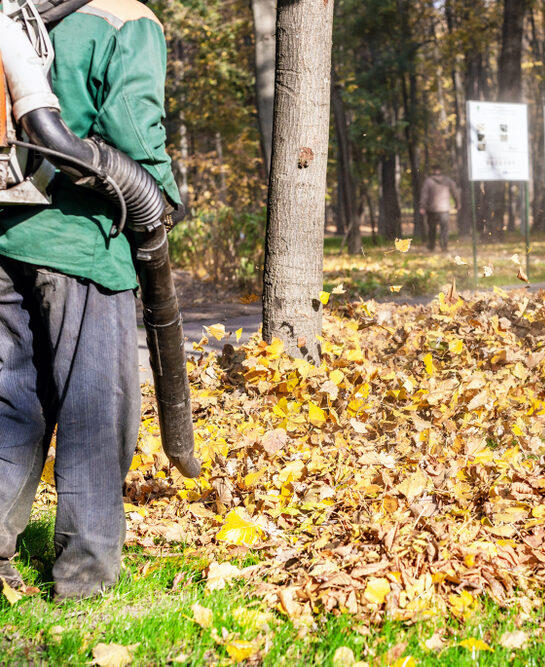
Short Answer: A single leaf removal visit on a typical East Lansing lot generally runs between $200 and $600, and a full fall cleanup including beds, final mow, and debris haul off commonly lands between $300 and $900. The spread is wide because properties differ enormously in tree cover, and because a quote for one pass and a quote for a full season of passes are different products. Most properties with mature trees need two or three visits rather than one.
Leaf removal pricing confuses people more than most lawn services, because two neighbors can get quotes that differ by several hundred dollars for what sounds like the same job. Usually it is not the same job, and the difference is worth understanding before you compare numbers.
Here is what this work actually costs around East Lansing and the greater Lansing area, what drives a quote up, and the questions that make competing estimates comparable.
How Leaf Removal Gets Priced
Most companies price leaf work one of two ways, and knowing which you are being quoted matters.
Per visit pricing charges for each cleanup pass. That suits a homeowner who wants one cleanup at the end of the season or who is handling most of it themselves and needs help with peak drop.
Seasonal pricing covers however many passes the property needs through the drop season for a set amount. That suits properties with heavy tree cover where two or three visits are genuinely required, and it removes the decision about whether to call again when the oaks finally let go.
For a typical East Lansing lot, a single leaf removal visit commonly runs $200 to $600. A full fall cleanup, meaning leaves plus bed cleanout, cutting back perennials, a final mow, and hauling everything away, generally lands between $300 and $900.
Seasonal packages covering multiple passes vary widely with tree cover, and on a heavily wooded property they climb accordingly. That is the honest answer, and anyone quoting a wooded lot the same as an open one has not looked at it.
Why Quotes Vary So Much
Volume is the dominant factor and it is not proportional to lot size, which is the source of most confusion.
A quarter acre lot in an older East Lansing neighborhood with four mature maples produces vastly more material than a half acre lot in a newer subdivision with young trees. The second property is larger and the first is a bigger job. Tree cover, not acreage, drives the work.
Species matters too. Oak heavy properties take longer because oak leaves are tougher, they resist breaking down, and they tend to come down later and over a longer window, which frequently means an additional visit.
Access affects it directly. A property where equipment can reach the curb easily is faster than one where material has to be moved a long distance by hand, or where a fenced backyard with a narrow gate means leaves get hauled out rather than blown out.
Terrain and obstacles round it out. Slopes, extensive beds, retaining walls, and heavy landscaping all slow the work compared to open turf.
And timing matters. A property cleaned once at the right moment costs less than one that needed an early pass, a peak drop pass, and a final pass.
What You Are Paying For
Leaf work is equipment and labor intensive in a way that surprises people who have only done it with a rake.
Commercial backpack blowers move material far faster than consumer equipment, and a crew working together can windrow an entire yard in a fraction of the time one person can.
The larger cost is the loader and debris trailer. A truck mounted or trailer mounted leaf vacuum with a high capacity debris body is what makes removal practical at volume. It is expensive equipment, it burns fuel, and it requires maintenance. Without it, leaves have to be bagged by hand and hauled in bags, which takes dramatically longer.
Disposal is a real line item as well. Material has to go somewhere, whether that is a yard waste facility with tipping fees or a composting site, and that cost is built into the price. A heavily wooded property can generate several full trailer loads across a season, and each one is a trip.
Labor is the balance of it, and leaf work is genuinely hard physical work performed in cold, wet, windy conditions during a compressed season.
Comparing Quotes Fairly
Because scopes differ so much, the price alone tells you little. Four questions make estimates comparable.
How many passes are included, and what happens if the property needs another one. This is the single largest source of apparent price differences, since a one pass quote will always look cheaper than a seasonal one.
Are beds and landscaping included or is it turf only. Bed cleanout takes meaningful additional time, and a turf only quote against a full cleanup quote is not a fair comparison.
Is debris hauled away or piled at the curb for municipal pickup. Curbside piling is legitimate where a community runs loose leaf collection, and it is a different service at a different price. It also depends on the collection schedule lining up.
Does the price include a final mow. Cutting the lawn to an appropriate height before winter is part of a complete fall cleanup and some quotes include it while others do not.
The Municipal Collection Question
This affects cost and it varies by where you live, which is worth sorting out before you book anything.
Communities in the Lansing area handle yard waste differently. Some run seasonal curbside collection where crews vacuum loose leaves raked to the curb. Some require bagging. Some contract it out, and schedules and cutoff dates differ.
Where loose leaf collection is available and the schedule works, having leaves moved to the curb rather than hauled away reduces the cost of the service. Where it is not available, or where the last collection date falls before your oaks finish dropping, haul off is the practical answer.
Programs, dates, and requirements change year to year, so confirming with your own city or township is worth a few minutes. It can genuinely change what you should be asking a contractor to do.
What a Full Cleanup Includes
Worth defining, since the phrase covers different scopes at different companies and that ambiguity is where billing surprises come from.
A complete fall cleanup on a residential property generally means leaves removed from turf and beds, heavy leaf mat cleared from around foundation plantings, perennials cut back where appropriate, a final mow at an appropriate height for winter, and all debris hauled off the property.
Items that are frequently separate include gutter clearing, irrigation blowout, and any pruning beyond cutting back perennials. Those are legitimate additional services rather than things being withheld, but they should be priced up front rather than appearing later.
Is It Worth Hiring Out
Fair question, and the honest answer depends on your property and your time.
On a lot with one or two young trees, leaf cleanup is a couple of afternoons and a rake. Hiring that out is a convenience purchase and there is nothing wrong with that, but nobody needs to.
On a lot with several mature maples or oaks, the volume is substantial and it arrives across weeks rather than all at once. That is where hiring out changes from convenience to practicality, particularly for households where the leaves outpace available weekends.
The timing argument is the one we find most persuasive in this climate. The final pass has to happen before the ground freezes and lasting snow arrives, and that window can close early. A homeowner who runs out of good weekends ends up with leaves wintering on the lawn, which is the outcome that causes actual damage rather than just an untidy yard.
What to Do Next
Count your mature trees and note the species before you call anyone. That, more than lot size, is what a contractor needs to quote accurately, and describing it clearly on the phone produces a more reliable estimate.
Check your municipality's yard waste collection schedule and requirements. Knowing whether loose leaf pickup is available and when it ends changes what makes sense to ask for.
When you get quotes, ask the four questions above. Passes included, beds or turf only, haul off or curbside, final mow included. Those answers usually explain the entire price gap between two estimates.
Book earlier than feels necessary. The season is compressed here and the good weather windows in November are unpredictable, so schedules fill. Companies are working the same narrow stretch every customer needs, and the properties booked in September are the ones that get served on time.
If you would rather have someone handle the passes and get the final one done before winter, we are here for that. Call Keast Lawn and Snow at 517-418-7772 or visit keastlawn.com. We are family owned and serve East Lansing, Lansing, Okemos, Haslett and the surrounding communities.